
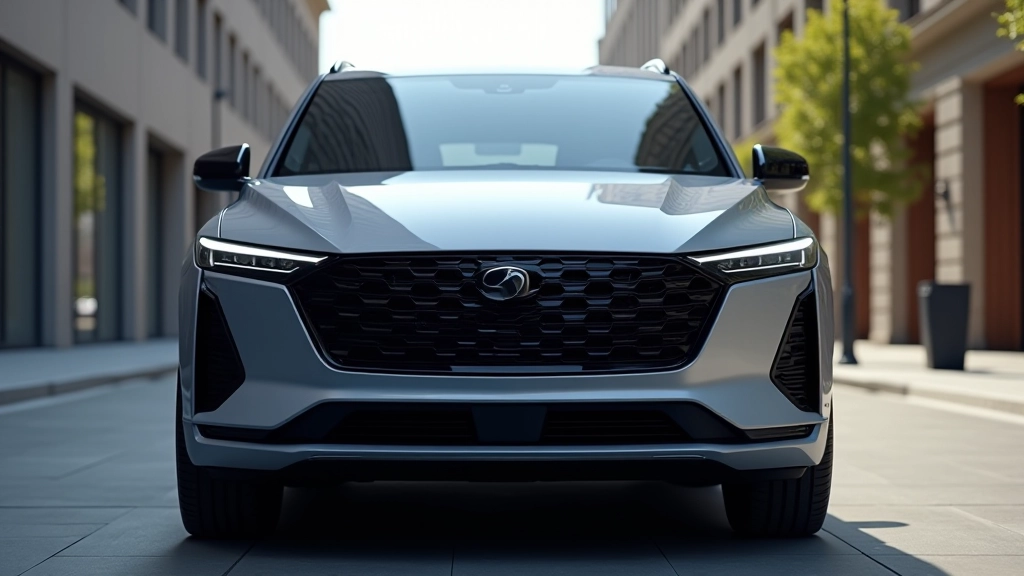
The Rise of a New Market Leader
It's hard to imagine North American roads without SUVs today. They're everywhere—in driveways, parking lots, and showrooms. But this wasn't always the case. Just forty years ago, SUVs were niche vehicles. Truck-based, utilitarian, and mostly aimed at people who actually needed the off-road capability or towing power. What changed? Everything.
The SUV revolution didn't happen overnight. It's a story of consumer preferences shifting, designers adapting, and manufacturers realizing they'd discovered a goldmine. Between the 1980s and today, SUVs transformed from a specialized category into the dominant force shaping how cars are designed, marketed, and imagined. They didn't just change the market—they reshaped it entirely.
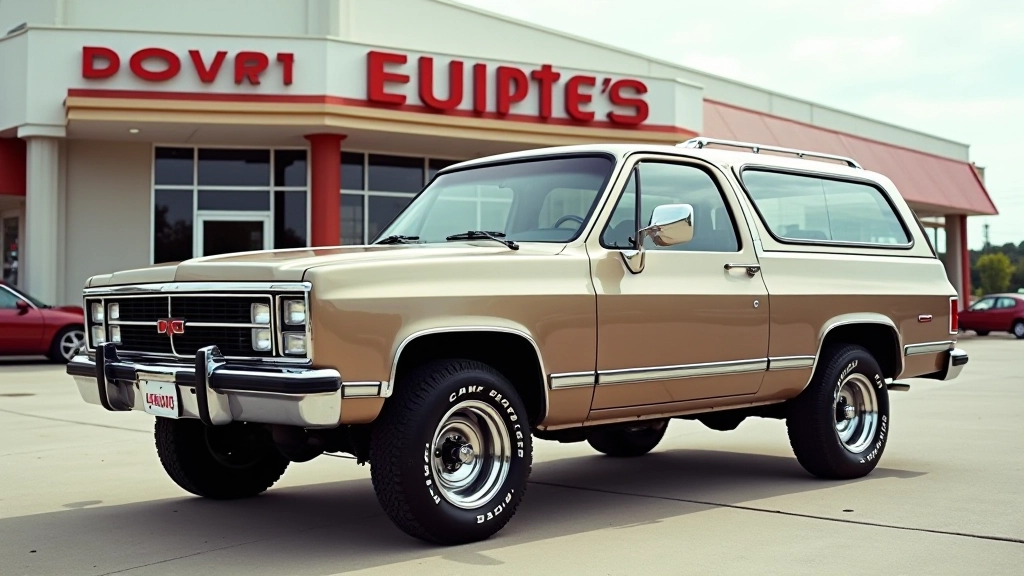
Key Turning Point
The 1996 Ford Explorer and the subsequent Chevy TrailBlazer proved that Americans would buy stylish, comfortable SUVs for daily use—not just for off-roading. Once families realized they could get seating for seven, cargo space, and highway comfort in one vehicle, the game was over.
Design Philosophy: From Practical to Prestigious
Early SUVs wore their truck heritage proudly. High ground clearance, visible body-on-frame construction, and aggressive angles—these weren't design choices meant to impress. They were functional. You could see the welds. The proportions were boxy because that's what maximized interior space efficiently.
Then something shifted. Designers started asking: what if we could make this vehicle beautiful? What if the SUV's presence—that commanding stance, the raised seating position—became a style statement instead of just a utility feature? Suddenly, SUVs didn't apologize for their size. They celebrated it.
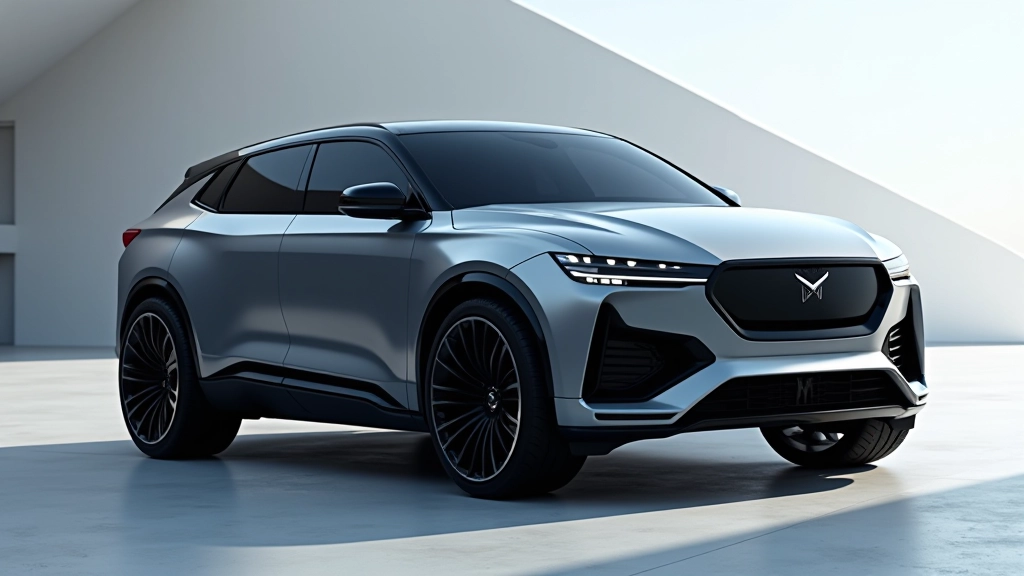
By the 2000s, SUVs weren't trying to look like trucks anymore. They were developing their own design language. Sculpted panels, flowing lines, integrated lighting elements—these vehicles started competing with sedans on visual appeal while maintaining their practical advantages. The design direction was clear: prestige meets practicality.
The Interior Revolution
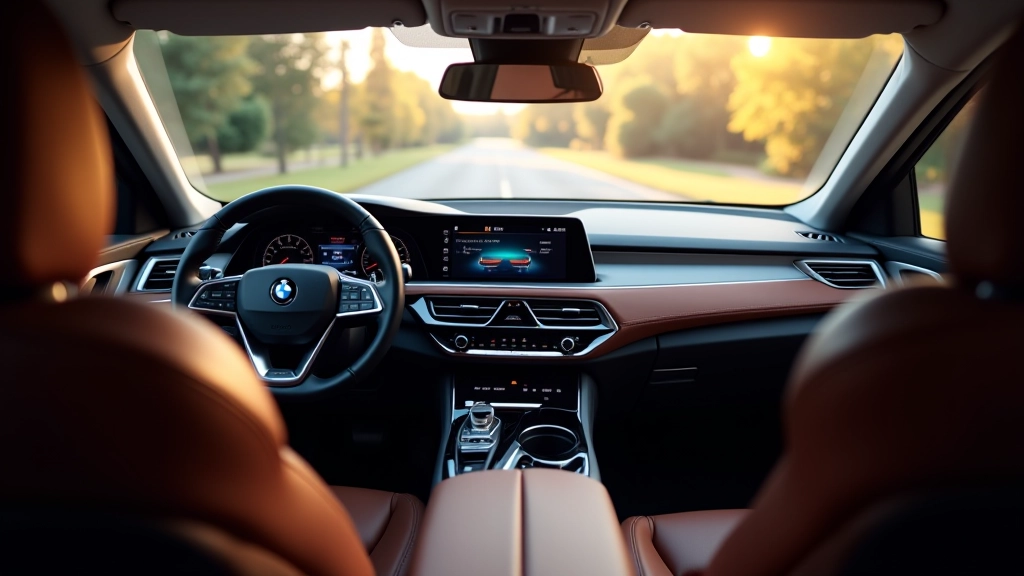
You could argue the real SUV revolution happened inside the cabin. When manufacturers realized families were choosing SUVs over minivans—and paying premium prices for the privilege—they invested heavily in interior experiences. No more bare plastic. No more truck-grade simplicity.
Modern SUVs offer the comfort and technology of luxury sedans. Panoramic sunroofs, leather upholstery, advanced infotainment systems with screens 10+ inches wide, heated and cooled seats—these features didn't exist in SUVs twenty years ago. They're standard now. The three-row SUV became the modern family vehicle, offering something minivans never could: cool factor.
The cabin design also reflects how we use vehicles differently. More people work remotely or take calls while commuting. USB ports multiplied. Climate zones became individual. Storage became intelligent—cup holders that fit different sizes, power-operated gates, hidden compartments. Every detail was optimized for the family's actual needs, not imagined ones.
Market Dominance and What It Means
of new vehicle sales in North America are now SUVs and crossovers
when SUVs were less than 3% of the market
now offers at least 3-4 SUV models in their lineup
This dominance has cascading effects. Manufacturers shift R&D resources toward SUV platforms. Design schools teach SUV proportions as a core competency. Even luxury brands that built their reputation on sedans—BMW, Mercedes, Audi—now derive significant revenue from SUV sales. The segment that was once peripheral became the entire game.
The Crossover Era and Platform Efficiency
The crossover—an SUV built on a car platform rather than a truck frame—represented the next evolution. Lighter weight, better fuel economy, car-like handling, but with SUV styling and seating. It sounds like compromise, but it's actually brilliant engineering. The crossover made SUV ownership accessible to more people and more profitable for manufacturers.
Platform sharing became essential. A single platform could spawn a sedan, an SUV, and a crossover, each with distinct styling. This efficiency freed up design budgets for visual differentiation. You got more creative variety at lower production costs. Consumers benefited from wider choice. Manufacturers benefited from economies of scale. Everyone won.
Today, the distinction between "SUV" and "crossover" matters less to consumers than it does to engineers. The visual language is what counts—commanding stance, elevated seating, distinctive proportions. The platform underneath is almost irrelevant to the buyer's experience. That's when you know a design revolution is complete: when the styling language becomes so dominant that it overshadows the technical details.
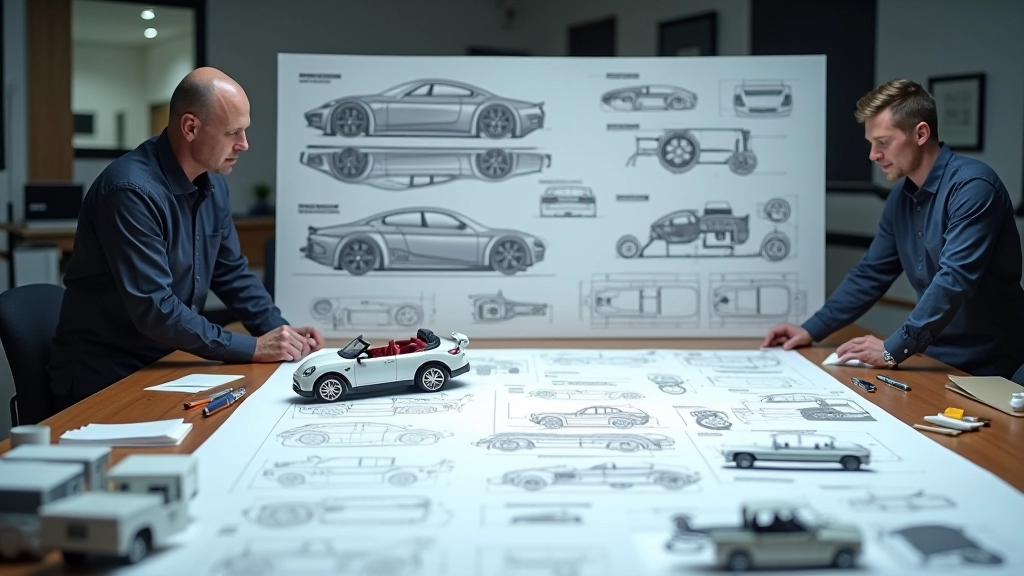
Continue Your Design History Journey
Explore other pivotal moments in North American automotive design evolution
The Chrome Fin Era: 1950s American Design at Its Peak
How post-war optimism shaped the jet-age aesthetic that defined an entire decade of automotive extravagance and design freedom.
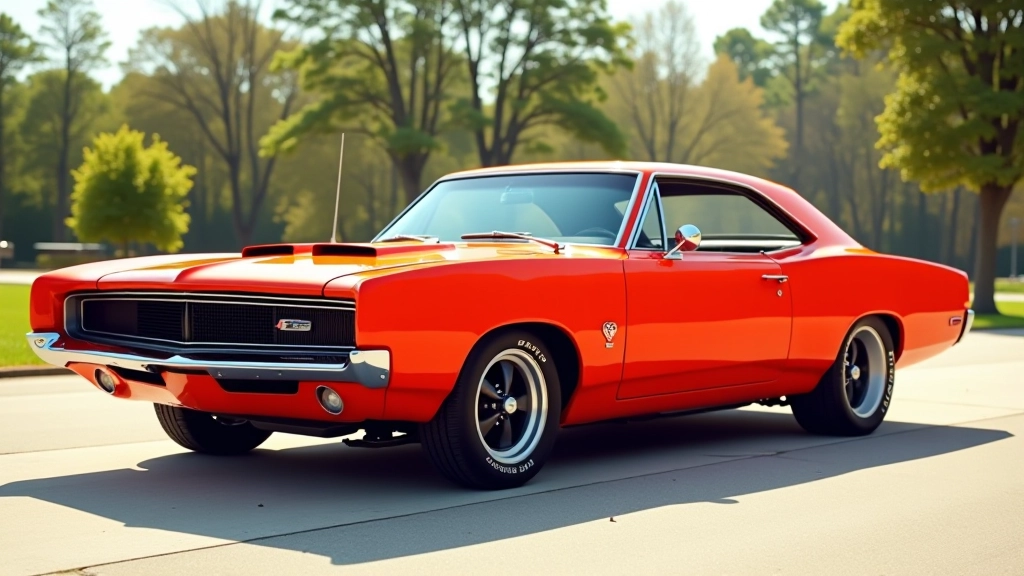
Muscle Cars and Aggressive Lines: The 1960s Movement
When American manufacturers decided bigger engines needed bigger hoods. The design philosophy that created an entirely new category.
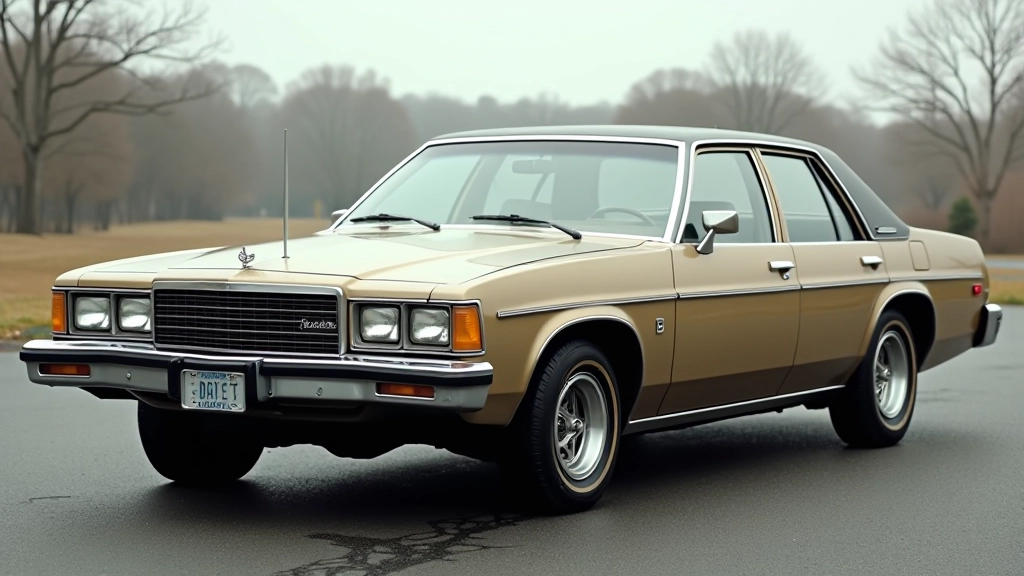
Boxy and Practical: How the 1970s Changed Everything
Oil crises and safety regulations forced designers to rethink everything. The shift from form to function that reshaped the industry.
The Revolution Continues
The SUV revolution isn't finished. It's evolving. Electric SUVs are arriving with new design possibilities—longer wheelbase options, no transmission tunnel means truly flat floors, new proportions enabled by battery placement. Three-row EVs offer capabilities previous generations couldn't dream of.
What started as truck-based utility has become the canvas for automotive expression. Whether it's a compact city crossover or a three-row family hauler, the SUV has proven remarkably adaptable. Designers continue pushing boundaries—exploring new proportions, experimenting with lighting signatures, rethinking interior layouts.
Looking back from 2026, it's clear that the SUV revolution transformed more than just vehicle sales figures. It changed how we think about automotive design itself. The commanding stance, the elevated perspective, the emphasis on interior experience—these design principles now influence everything from sedans to station wagons. The SUV didn't just reshape the market. It reshaped the entire design language of modern vehicles.
About This Article
This article presents a historical and design-focused perspective on the evolution of SUVs in the North American market. The information provided is educational in nature and based on widely documented automotive design trends and market data. Specific dates, design elements, and market figures are presented for historical context and are intended to illustrate design evolution patterns rather than serve as precise technical specifications. For detailed specifications, historical accuracy regarding specific vehicle models, or financial/market data, we recommend consulting official manufacturer resources, automotive industry publications, and academic sources on automotive history and design.