
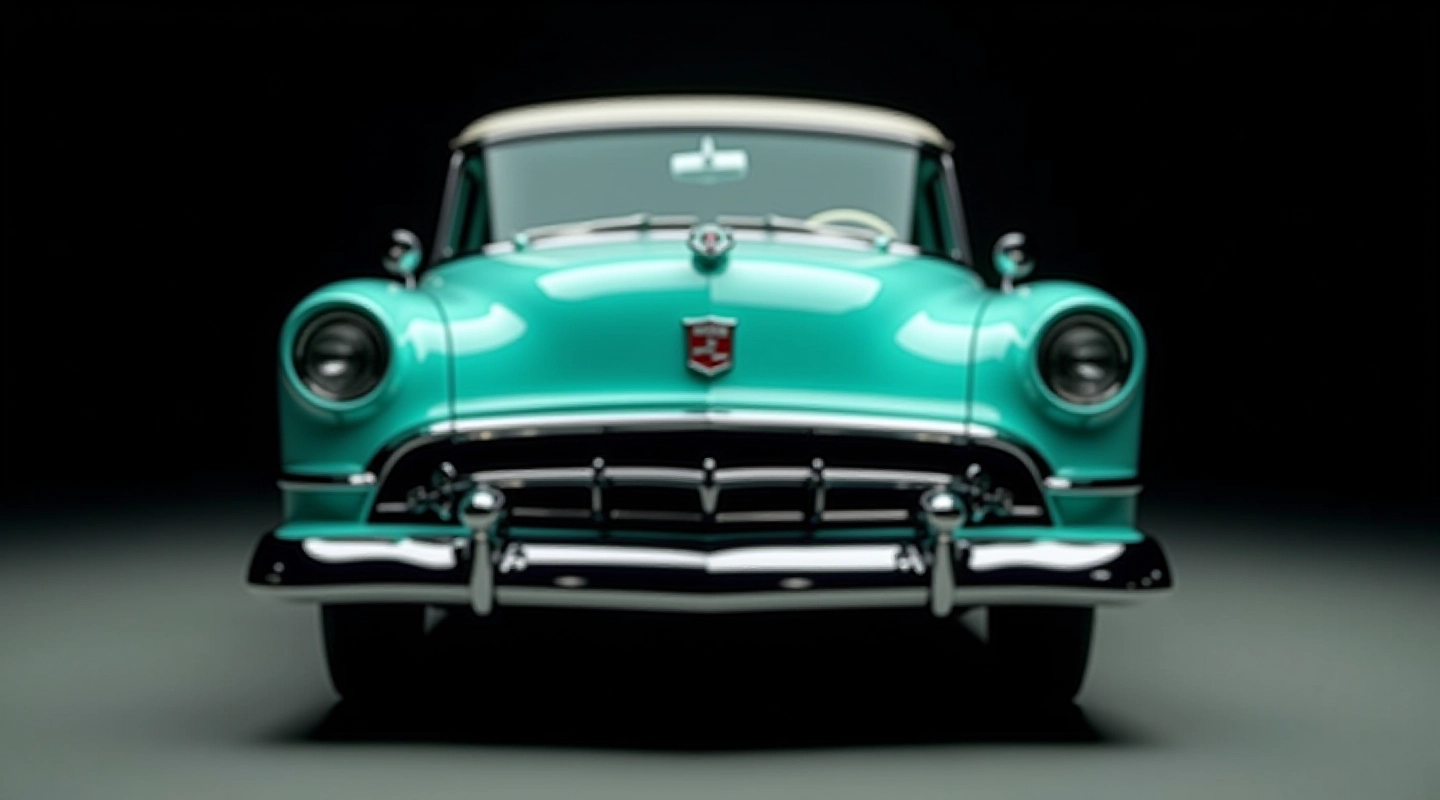
The Chrome Fin Era: 1950s American Design at Its Peak
How post-war optimism shaped the jet-age aesthetic that defined an entire decade. We're talking about why chrome ruled and fins actually mattered.
Read the full guideFrom chrome fins to the SUV revolution — explore seven decades of automotive design that shaped the continent
We're diving deep into the design movements that defined North American vehicles. Each era tells a story — whether it's the optimistic chrome of the 1950s or the practical efficiency that took over in the 1970s.
Our guides break down the "why" behind the design choices. Why did fins matter? What pushed manufacturers toward bigger hoods? How did safety regulations reshape everything? We don't just show you the cars — we explain the thinking.
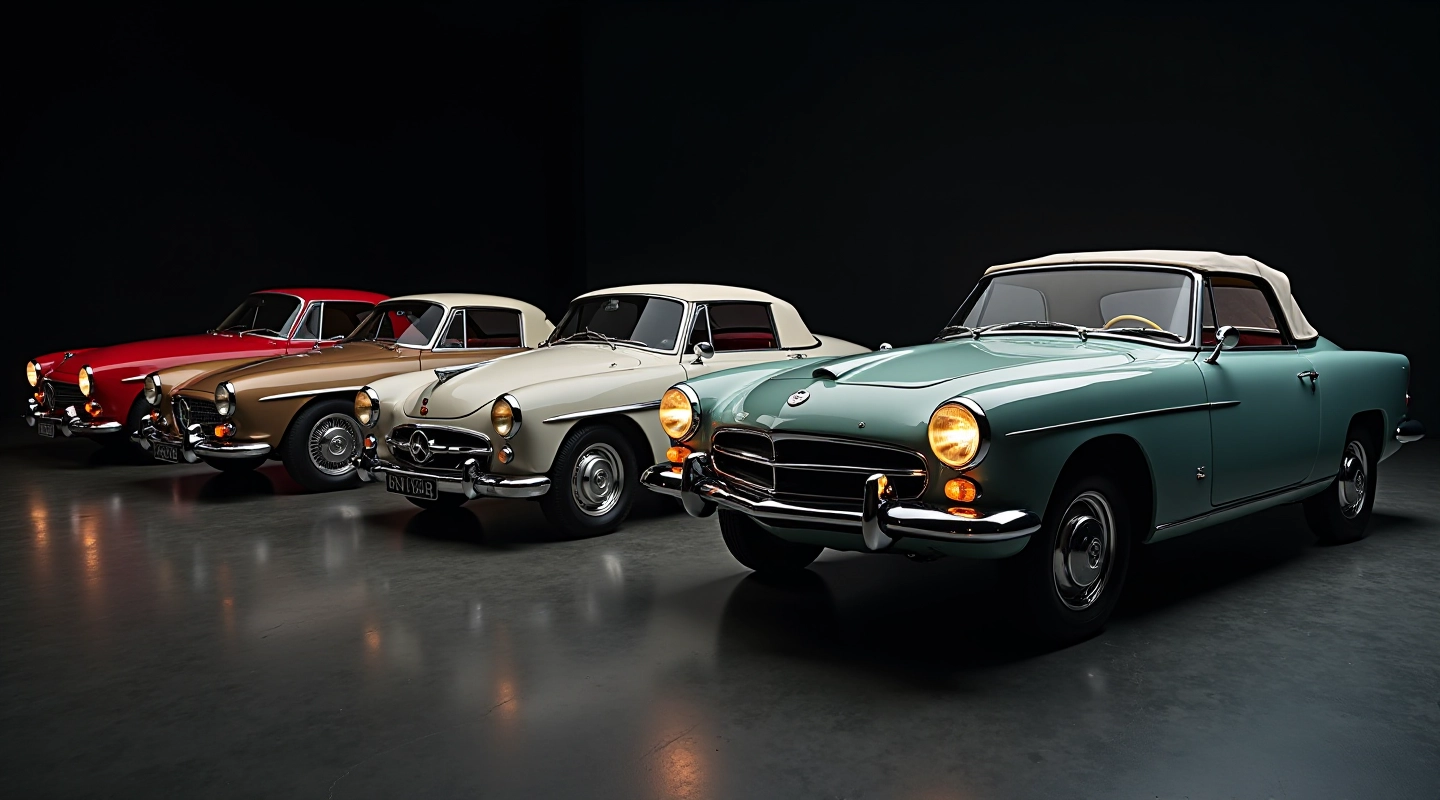
We're not just listing facts — we're telling the story behind every design choice
We connect design trends to what was actually happening in the market, politics, and culture. Chrome fins weren't random — they reflected post-war optimism.
Learn why designers made specific choices. How did proportions change? What drove the shift from chrome to function? We break down the visual language.
No oversimplification. We acknowledge what worked, what didn't, and how market forces shaped what you see on the road today.
Every guide includes period photography and detailed explanations of specific vehicles so you can actually see what we're describing.
Four eras that changed everything
Post-war optimism met jet-age aesthetics. Fins grew taller, chrome got brighter, and cars looked like they were flying even when parked. This decade defined what "American" meant in automotive design.
Explore the 1950sManufacturers stopped hiding big engines — they celebrated them. Hood scoops, aggressive lines, and pure performance became the design language.
See the 1960sOil crises and safety regulations forced a rethink. Boxy became practical. Function won over flash. This shift still influences design today.
Discover the 1970sOne vehicle segment reshaped the entire market. SUVs went from niche to dominant, changing how manufacturers think about design, capability, and consumer preference. This era is still unfolding.
Explore SUV DesignBigger is better. Chrome was confidence. Visual drama mattered more than efficiency. Cars were meant to inspire awe.
Aerodynamics drive shape. Material efficiency is essential. Visual restraint signals sophistication. Cars balance performance with responsibility.
Engine displacement was king. Power mattered more than economy. Horsepower was advertised on every surface. Performance was loud.
Efficiency and power coexist. Turbocharging replaced displacement. Performance is measured across multiple metrics. Power is intelligent.
Safety and emissions forced compromises. Designers adapted reluctantly. Function replaced aesthetics. The transition felt awkward.
Regulations and design work together. Safety features enhance rather than diminish. Environmental responsibility is a design priority. Form follows ethics.
Here's what we've covered and what's coming next
Launched with comprehensive coverage of the 1950s chrome era, muscle car movement, and the practical 1970s shift.
Expanded to cover how one vehicle segment fundamentally reshaped the entire automotive market and consumer preferences.
Created clear before-and-after analysis showing how design philosophy evolved across seven decades.
Deep dive into how EV architecture is reshaping proportions, interior layouts, and design language in the 2020s.
Exploration of how North American design philosophy differs from European and Asian approaches across each era.
Our process ensures accuracy and depth
We dig into archives, period publications, and documented design decisions to understand the real context behind each era.
We examine actual vehicles, proportions, materials, and styling cues to explain the "why" behind the design choices.
We write in plain language, connecting design to history, market forces, and cultural moments so you understand the full picture.
How post-war optimism shaped the jet-age aesthetic that defined an entire decade. We're talking about why chrome ruled and fins actually mattered.
Read the full guide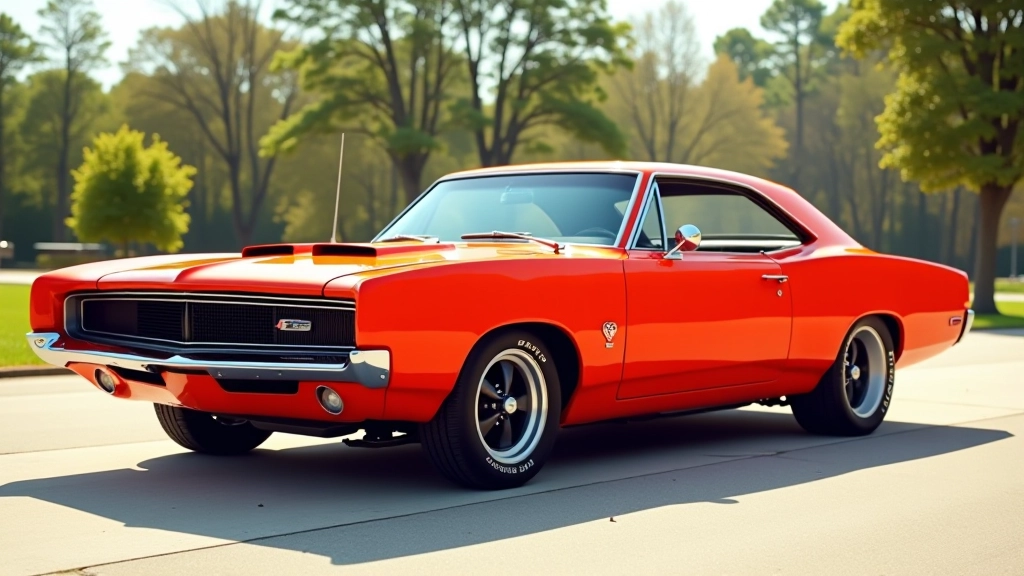
When American manufacturers decided bigger engines needed bigger hoods. The design philosophy that made cars look as fast as they actually were.
Read the full guideThe full scope of North American automotive design
We're here to answer questions about automotive design, help you understand specific eras, or discuss how you can contribute to our research.
Get in TouchWe use cookies to improve your experience. By continuing to browse this site, you accept our use of cookies.