
The Birth of Jet-Age Aesthetics
After World War II, Americans wanted to move forward. They wanted to forget the Depression and embrace this idea that the future was bright, sleek, and fast. Cars became the physical embodiment of that optimism. Manufacturers didn't just build transportation—they created rolling sculptures that promised escape and possibility.
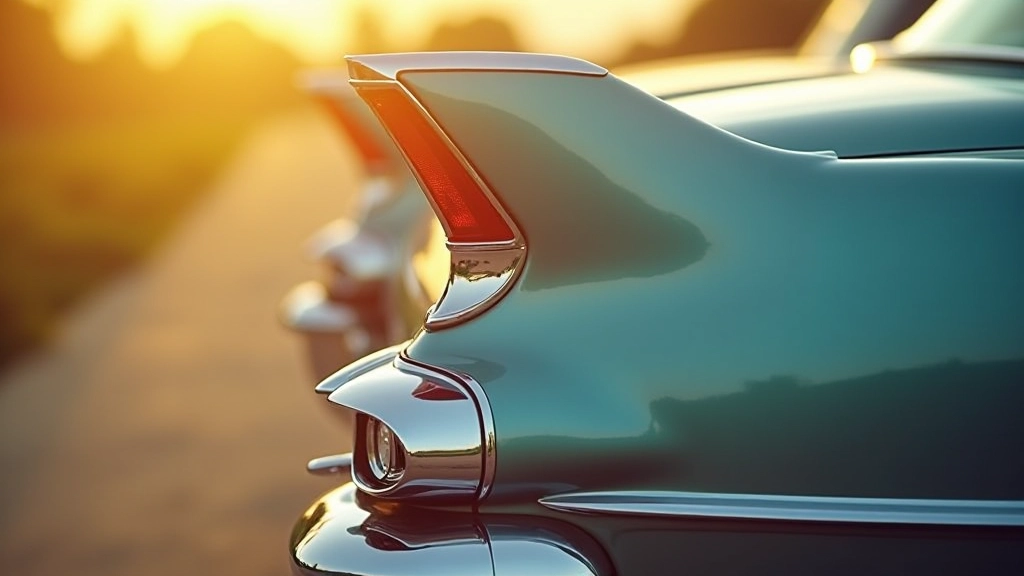
The jet-age movement pulled inspiration directly from aircraft design. Designers at Cadillac, Chrysler, and Buick studied the curves of fighter planes and incorporated them into automotive form. Tail fins weren't accidents. They were intentional references to the P-38 Lightning and other military jets that represented American technological superiority. These fins grew taller and more exaggerated as the decade progressed, peaking in 1959.
Chrome as Cultural Currency
Chrome wasn't just decoration—it was status. The more chrome you had, the more expensive your car, and the more successful you appeared. Bumpers were massive and gleaming. Grilles were intricate webs of chrome tubing. Door handles, trim rings, and side moldings all got the chrome treatment. A 1957 Buick could have over 300 pounds of chrome plating across its exterior.
This wasn't wasteful excess to manufacturers. It was marketing genius. Chrome reflected light. It caught the eye. It said: "This car is new. This car is valuable. This car represents progress." For buyers, owning a chrome-laden beauty meant participating in the post-war American dream. You weren't just buying transportation. You're buying membership in an optimistic future.
Continue Your Design Journey
Explore other pivotal moments in automotive design history
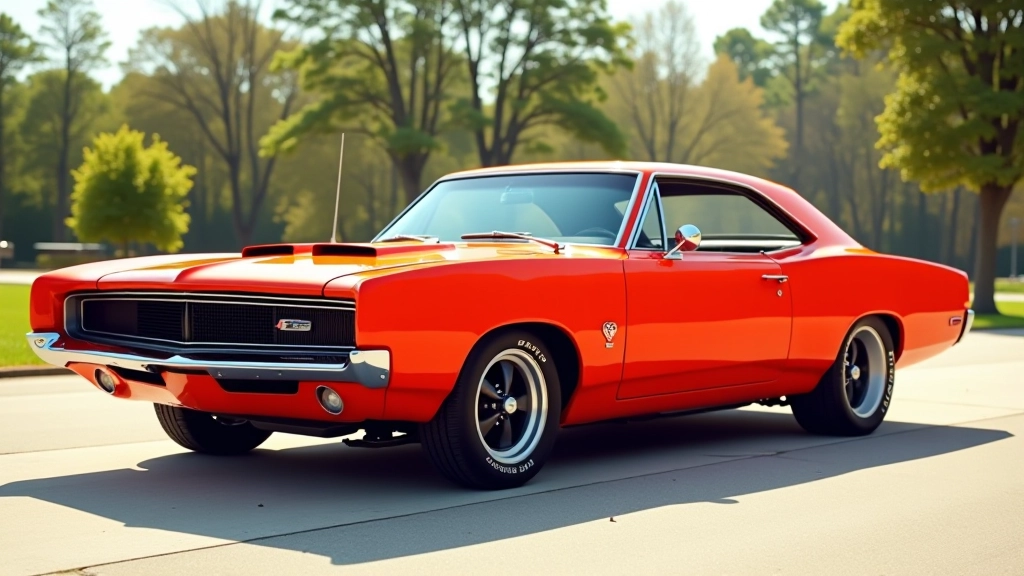
Muscle Cars and Aggressive Lines: The 1960s Movement
When American manufacturers decided bigger engines needed bigger hoods. The design philosophy shifted from elegance to raw power.
Read Article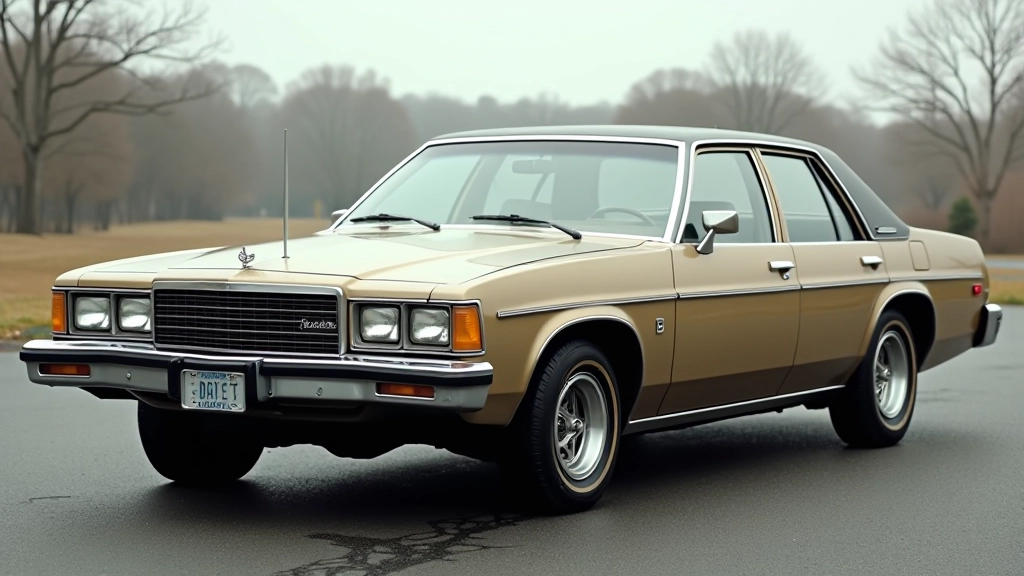
Boxy and Practical: How the 1970s Changed Everything
Oil crises and safety regulations forced designers to rethink everything. The shift toward practicality was dramatic.
Read Article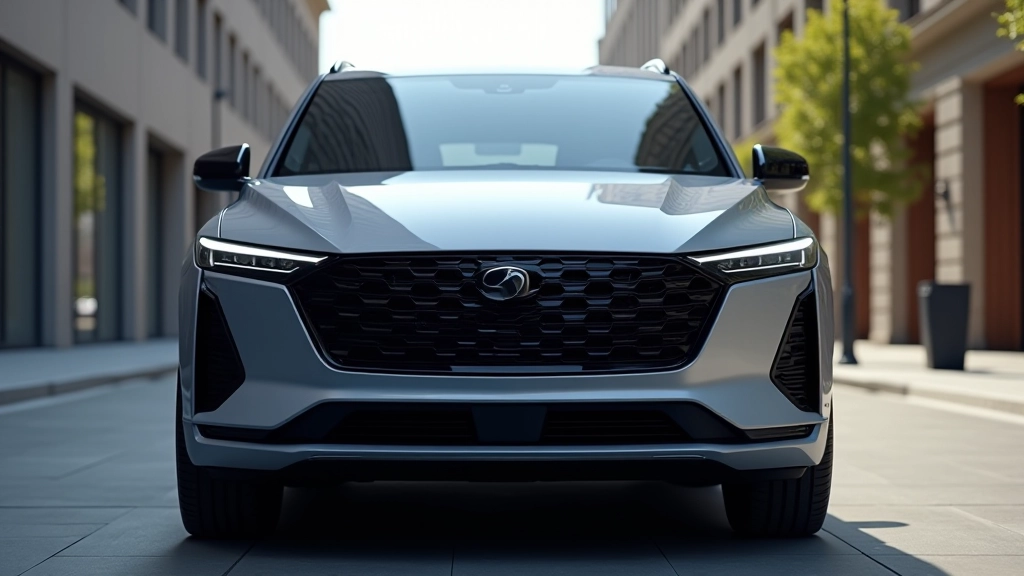
The SUV Revolution: How One Segment Reshaped the Market
From truck-based utility to design-focused lifestyle vehicles. We trace how SUVs evolved and dominated the modern market.
Read ArticleColor as Identity
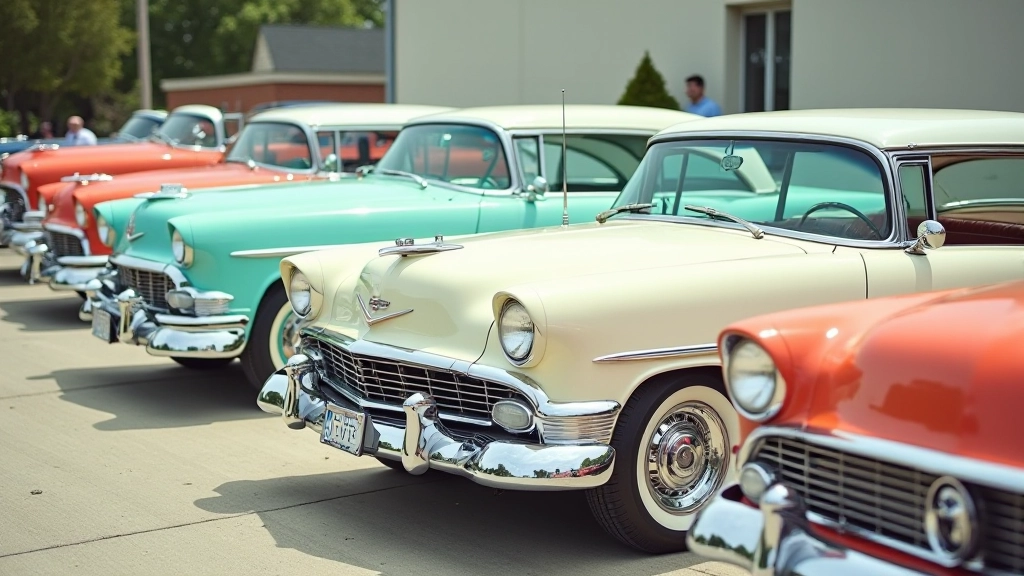
You didn't just buy a car in the 1950s. You chose a color that made a statement. Turquoise. Coral. Seafoam. Lavender. Pastel pinks and pale greens dominated dealer lots. These weren't subtle choices—they were declarations. Manufacturers offered 15-20 color options annually, and buyers treated color selection like choosing a personality.
Two-tone paint schemes were the height of sophistication. Imagine a Chevrolet Bel Air with a turquoise top and white body, chrome side molding running the entire length, and those signature tail fins rising proudly. That car didn't whisper about progress. It shouted about it. The color palette of the 1950s told a story about consumer confidence, manufacturing capability, and cultural identity.
Design Details That Mattered
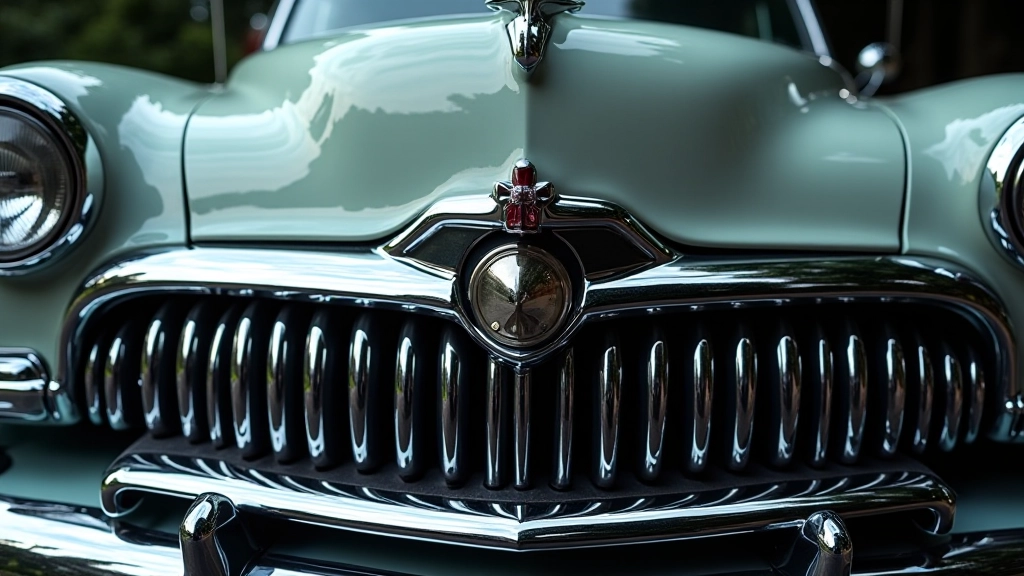
Look at a 1959 Cadillac Eldorado and you'll see intentional design choices everywhere. The grille isn't just a functional opening—it's a sculptural statement with vertical chrome bars creating rhythm and movement. The hood stretches impossibly long, housing a 390-cubic-inch engine. The side profile flows from the front wheel to the rear quarter panel without interruption, creating a sense of forward momentum even when the car's parked.
Designers understood proportion. They understood that a car needed visual balance. Headlights were round and prominent, like eyes expressing character. Windshields wrapped further around the sides each year. Wheels got larger. Proportions shifted to emphasize length and width over height. By decade's end, the average car was nearly 18 feet long and weighed over 4,000 pounds. That's not a mistake. That's intentional design language saying "American. Powerful. Confident."
The Legacy That Defined a Generation
The 1950s weren't just a decade of car design—they were a moment when automotive design became art. Designers at companies like Cadillac, Chrysler, and Buick weren't constrained by fuel economy standards or crash test regulations. They were free to dream in steel and chrome. They created vehicles that represented hope, progress, and American optimism in physical form.
Those fins eventually disappeared. Chrome trim gave way to cleaner lines. Two-tone paint schemes became retro references. But the influence of 1950s design remains. You see it in luxury cars that emphasize presence and proportion. You see it in hot rods and custom cars where enthusiasts recreate the aesthetic that captivated a nation. The Chrome Fin Era wasn't just about cars. It was about capturing a moment when manufacturers and consumers shared a vision of the future, and they built it in steel, chrome, and color.
Informational Note
This article provides historical information about automotive design trends from the 1950s. The details and descriptions represent research-based observations of design philosophy and manufacturing practices of that era. Specifications and color information are historical references and may vary by specific model and production year. For accurate technical specifications of any particular vehicle, consult original manufacturer documentation or automotive history resources.