
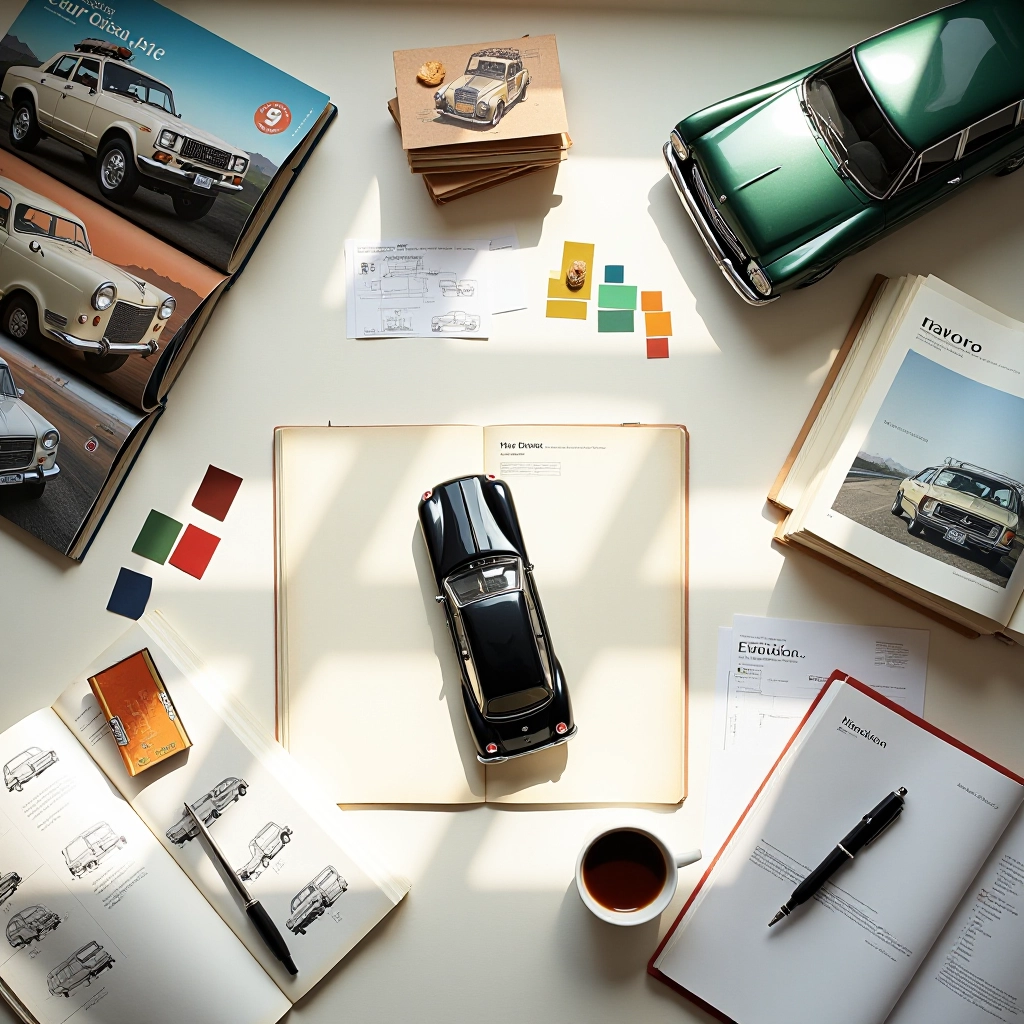
Cendrae Editorial Team
Researching and documenting North American automotive design evolution
We're a dedicated team focused on understanding how cars have changed across generations. From the chrome-laden 1950s through today's SUV-dominated landscape, we trace the design decisions that shaped the vehicles we drive. Our work involves deep research into historical documentation, period publications, and technical archives to verify timelines and design characteristics accurately.
How We Build Our Guides
Every article goes through multiple stages of research, verification, and review to ensure accuracy
Research & Documentation
We start by consulting period publications, design archives, technical specifications, and historical records. This means looking at actual magazines from the 1950s, patent documents, manufacturer specifications, and design sketches when available. We don't rely on secondary sources alone—we trace design trends back to their origins.
Cross-Checking Details
Timeline accuracy matters. We verify design introductions, production runs, and technical changes across multiple sources. When sources disagree, we note the discrepancy and explain which version we're using. This keeps our content honest and transparent about what we actually know versus what remains debated among historians.
Clear Explanation
We write for readers who care about cars but may not have specialized automotive knowledge. We explain technical design elements plainly—what a design trend actually looked like, why manufacturers chose it, and how market forces and technology drove changes. No unnecessary jargon, just honest descriptions.
Regular Review & Updates
Our guides don't sit static. We review content regularly, update it when new historical information surfaces, and ensure consistency across our coverage. If we learn something that changes how we understand a design era, we revise the guide. That's what keeps our work reliable over time.
Design Eras & Trends
We focus on the design movements that genuinely shaped North American vehicles
Chrome Fin Era
The 1950s brought ornamental excess and forward-thinking optimism. We explore what made chrome fins and decorative elements so appealing to designers and buyers.
Muscle Car Movement
The 1960s shifted toward aggressive lines, performance-focused design, and raw mechanical appeal. We document how this era changed automotive aesthetics permanently.
Practical Practicality
The 1970s brought boxy, efficient designs driven by fuel concerns and manufacturing simplicity. We examine how necessity shaped this distinct aesthetic.
SUV Revolution
The rise of SUVs transformed the entire market. We trace how one segment reshaped buyer preferences, design priorities, and the entire automotive landscape.
How We Work & What We Believe
We believe automotive design history deserves honest treatment. No hype, no marketing language—just clear explanations of what designers created, why they made those choices, and how their work shaped the vehicles people drive today.
Accuracy First
We verify timelines and technical details across multiple sources. When information is uncertain, we say so. That transparency matters more than appearing authoritative.
Clear Language
We explain design concepts without unnecessary jargon. Readers should understand what we're describing—the visual elements, the technical innovations, the market forces that drove change.
Regular Updates
Our guides aren't frozen in time. We review content regularly, incorporate new historical findings, and keep information current. That's how we maintain reliability.
Honest Perspective
We describe design trends honestly, including both what made certain styles appealing and what eventually drove them out of favor. Good design doesn't mean timeless—it means right for its era.
Ready to Explore?
Start with any design era that interests you. We've researched the history so you can understand how cars evolved.