
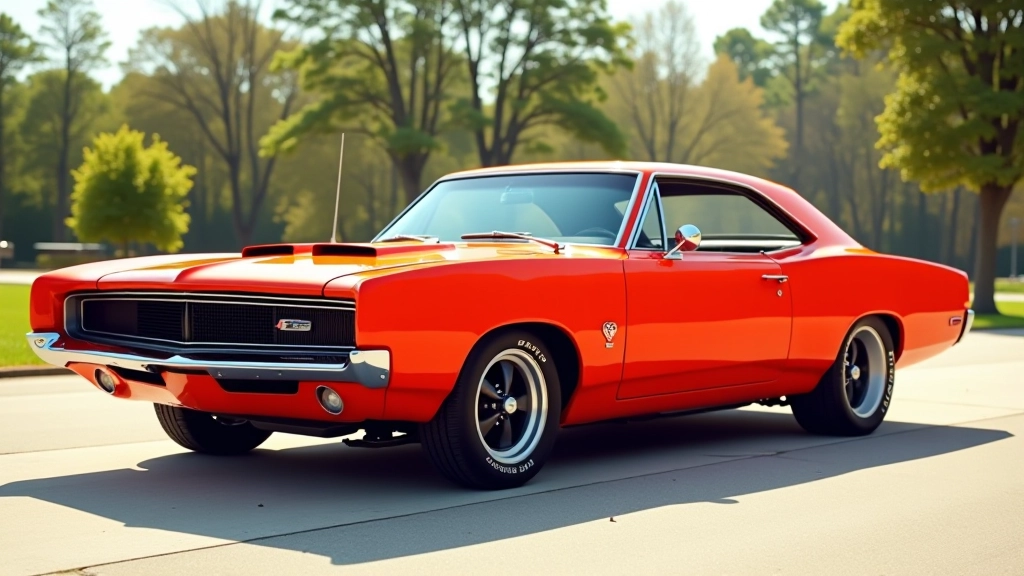
The 1960s transformed American automotive culture in ways that still echo today. It's when the muscle car was born—not just as a vehicle, but as a philosophy. Detroit wasn't thinking about efficiency or restraint. Manufacturers wanted to prove something: that American engineering could combine raw power with distinctive visual presence.
The formula was simple. Take a mid-sized chassis, drop in a big-block V8 engine, and design the body to announce what was under the hood. Aggressive hood scoops became functional air intakes. Wide stances weren't just for looks—they accommodated wider tire widths. Every line communicated velocity and aggression. But here's what made the 1960s different from what came before: designers finally had permission to let the engine's size dictate the car's shape.
The Hood Scoop Revolution
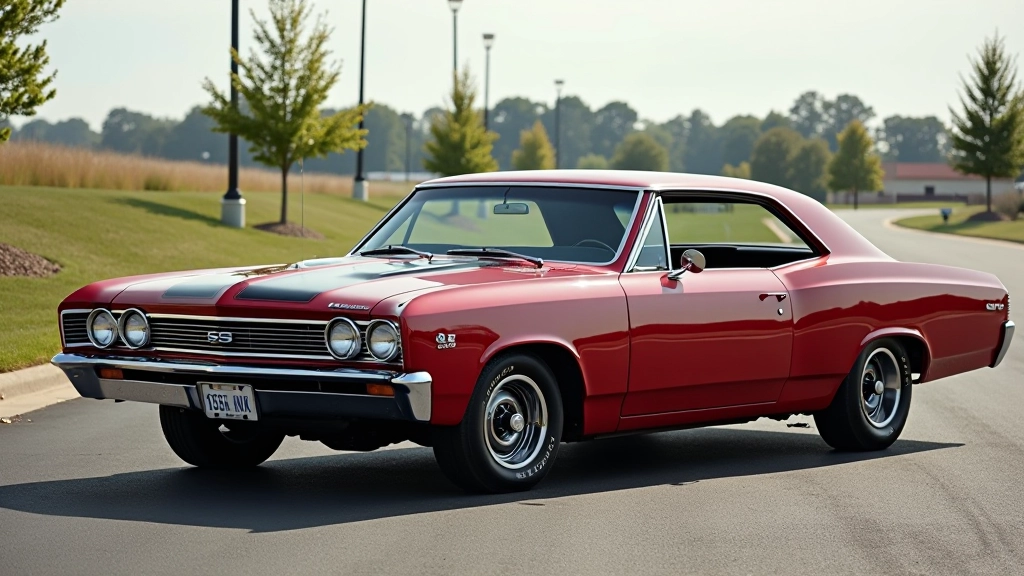
If you wanted to recognize a muscle car from fifty yards away, you looked for the hood scoop. But these weren't arbitrary styling elements—many were actually functional. The Pontiac GTO's scoop fed cool air directly to the engine. The Chevrolet Chevelle SS had a similar arrangement. Dodge and Plymouth followed suit with their own interpretations.
What changed in the '60s was that designers stopped hiding the mechanical reality. They celebrated it. A massive hood scoop told you something genuine: there's a serious engine in there. The deeper the scoop, the more aggressive the car looked. This wasn't false advertising—it was honest design that matched performance to visual presence.
The trend accelerated as the decade progressed. By 1969-1970, hood scoops had become theatrical. Some were fakes, sure, but that didn't matter. The design language was established: big engine, big scoop, unmistakable presence.

Width, Stance, and Mechanical Honesty
Muscle cars sat wider and lower than their predecessors. This wasn't just aesthetic preference—it was engineering necessity. Wider tires needed wider fenders. Heavier engines required a lower center of gravity for handling. But designers didn't hide these requirements. They made them part of the visual identity.
You'll notice this if you compare a 1960 Chevy Impala to a 1970 Chevelle SS. The Impala was elegant, with smooth lines. The Chevelle? It's planted. Aggressive. The fenders flare out. The body sits lower. These proportions create visual weight and suggest mechanical capability—and they're actually delivering it.
This design philosophy—letting mechanical reality shape aesthetics—became the muscle car's defining characteristic. It's why they look different from luxury cars or sports cars. They're honest about what they are: engines on wheels.
Related Articles
The Chrome Fin Era: 1950s American Design at Its Peak
How post-war optimism shaped the jet-age aesthetic that defined an entire decade of American automotive design.
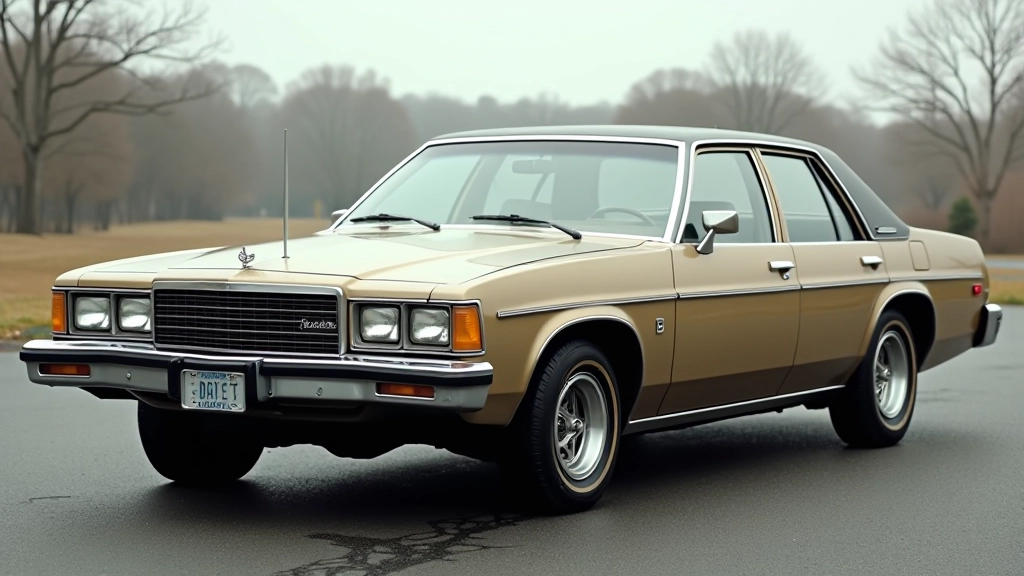
Boxy and Practical: How the 1970s Changed Everything
Oil crises and safety regulations forced designers to rethink everything. The shift away from aggression toward functionality.
The SUV Revolution: How One Segment Reshaped the Market
From truck-based utility to design-focused lifestyle vehicles. We trace how SUVs became the dominant market force.
Color and Visual Weight
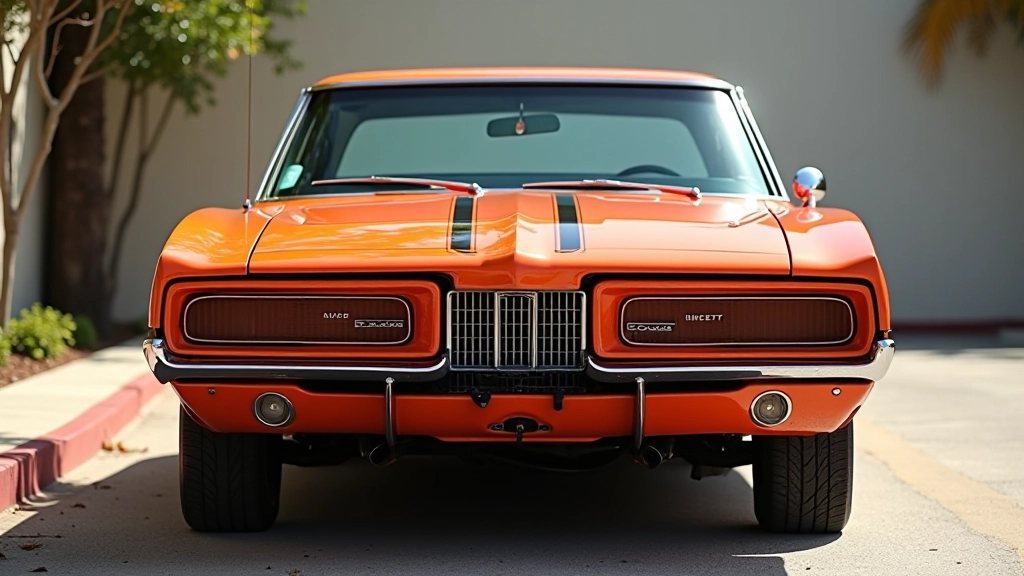
The 1960s muscle car palette was intentional. Bright, saturated colors dominated: Hemi Orange, Big Block Red, Sublime Green. These weren't the pastels of the '50s. They were bold declarations. A bright orange Dodge Charger doesn't apologize for its presence.
Dark colors worked differently. A black Pontiac GTO looked menacing, almost predatory. Designers understood color psychology. Bright colors announced confidence. Dark colors suggested raw power. Both reinforced the muscle car identity.
Stripe packages and graphics became essential. Racing stripes down the hood or center line created visual momentum. They made the car feel faster even standing still. It's why you rarely see a muscle car from this era without them.
The Legacy of Aggressive Design
The 1960s muscle car design movement wasn't about subtlety. It was about confidence. American manufacturers looked at their engineering capabilities and designed cars that reflected that power honestly. Hood scoops weren't lies. Wide stances weren't exaggeration. They were design solving real mechanical challenges while creating visual impact.
What made this era distinctive was permission—designers were allowed to let function dominate form. The engine's size dictated the hood's dimensions. The tire width dictated the fender flare. The power dictated the visual aggression. There wasn't apology or restraint. Just honest, aggressive design that matched what the car could actually do.
You'll still see this philosophy in performance cars today. Modern designers haven't abandoned it—they've refined it. But the core idea remains: when a car has serious capability, that should be visible. The 1960s muscle car proved that principle works. It always has.
Information Disclaimer
This article provides educational information about automotive design history and trends during the 1960s. The details, specifications, and design analysis are based on historical automotive records and design documentation. This content is intended for informational and educational purposes to help readers understand design evolution and manufacturing practices of the era. Design elements, technical specifications, and historical details may vary by model and production year. For specific technical information about individual vehicles, we recommend consulting manufacturer documentation or automotive history resources.