
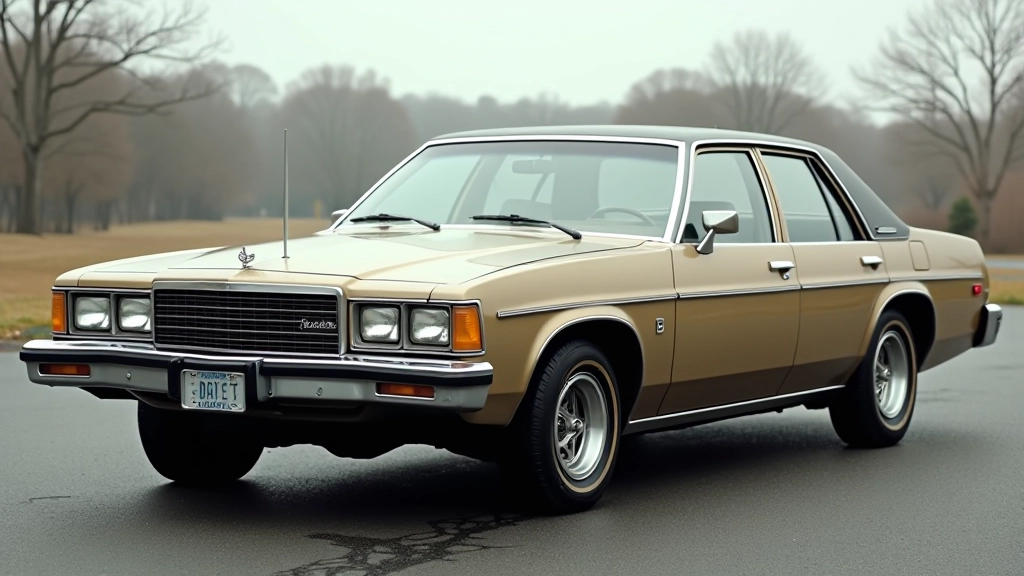
The 1970s arrived like a slap across the face of American automotive design. For decades, cars had grown longer, wider, and more chrome-laden. Then came the oil crisis. Suddenly, fuel efficiency mattered more than showing off at the drive-in. That's when everything changed.
We're talking about a genuine revolution in how cars looked and functioned. Gone were the flowing curves and ornamental flourishes. In came straight lines, boxy proportions, and an honest approach to form following function. It wasn't pretty by the standards of the previous decade, but it was real.
The Perfect Storm: Oil, Regulations, and Reality
Three things happened almost simultaneously. First, the 1973 Arab oil embargo sent fuel prices through the roof. People weren't just concerned about gas — they were genuinely worried about where their next fill-up would come from. Gas lines wrapped around blocks. Rationing became real.
Second, safety regulations started getting teeth. Crash standards, emission requirements, and structural integrity rules meant designers couldn't just slap bumpers on cars anymore. They had to engineer proper crumple zones, reinforce bodies, and integrate emission systems. This wasn't optional anymore.
Third, Japanese manufacturers arrived with cars that actually made sense. Datsun, Toyota, Honda — they didn't have decades of styling baggage. They just built efficient, reliable machines that got 25-30 miles per gallon while American V8s were struggling to hit 10. The market noticed.
The Visual Shift: Saying Goodbye to Chrome
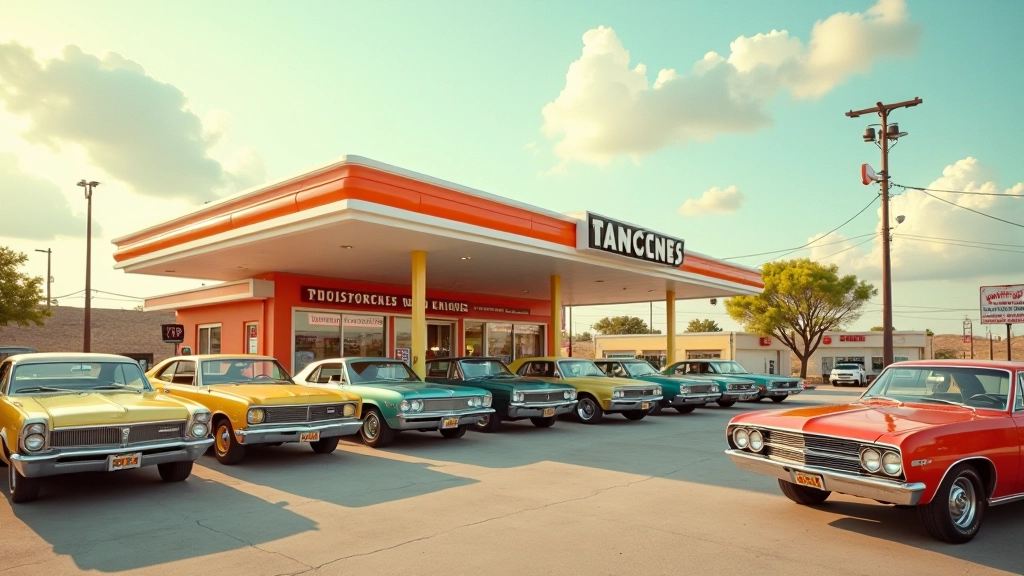
Here's the thing about 1970s car design — it wasn't trying to be beautiful. It was trying to be honest. Cars became boxy because boxes are efficient. A squared-off body maximizes interior space without adding weight or aerodynamic drag. That practical reality shaped everything you see in a 1970s parking lot.
Chrome trim disappeared. Not because designers suddenly hated it, but because every unnecessary pound of metal added to fuel consumption. Bumpers got simpler and more integrated. Grilles became functional air intakes rather than decorative statements. Side trim that used to scream luxury? Gone. Replaced by black plastic that'd last through a Minnesota winter without corroding.
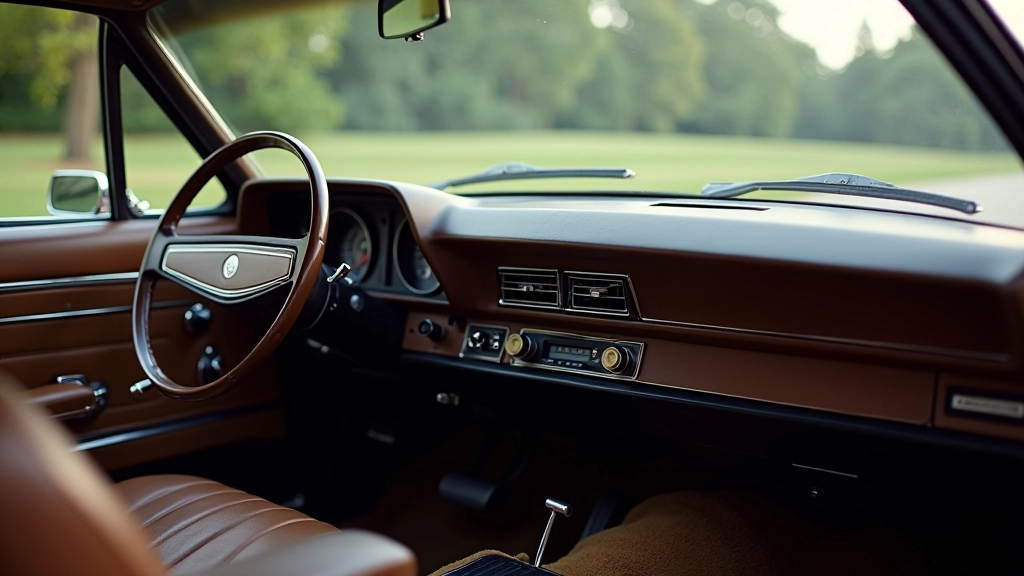
The stance changed too. Cars sat lower and wider for better stability. Roof lines extended further back for headroom without adding height. Windows got larger because air conditioning wasn't universal yet — you needed ventilation. Every decision was driven by physics and budget, not ego.
Explore Related Decades
See how automotive design evolved across the decades
The Chrome Fin Era: 1950s American Design at Its Peak
How post-war optimism shaped the jet-age aesthetic that defined an entire decade of American automotive excellence.
Read Article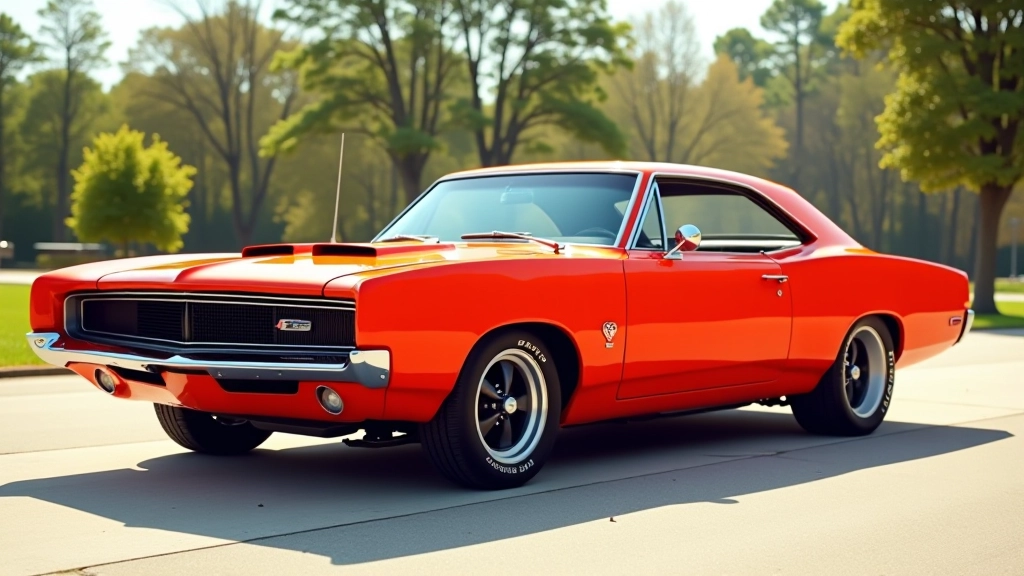
Muscle Cars and Aggressive Lines: The 1960s Movement
When American manufacturers decided bigger engines needed bigger hoods. The design language of pure performance.
Read Article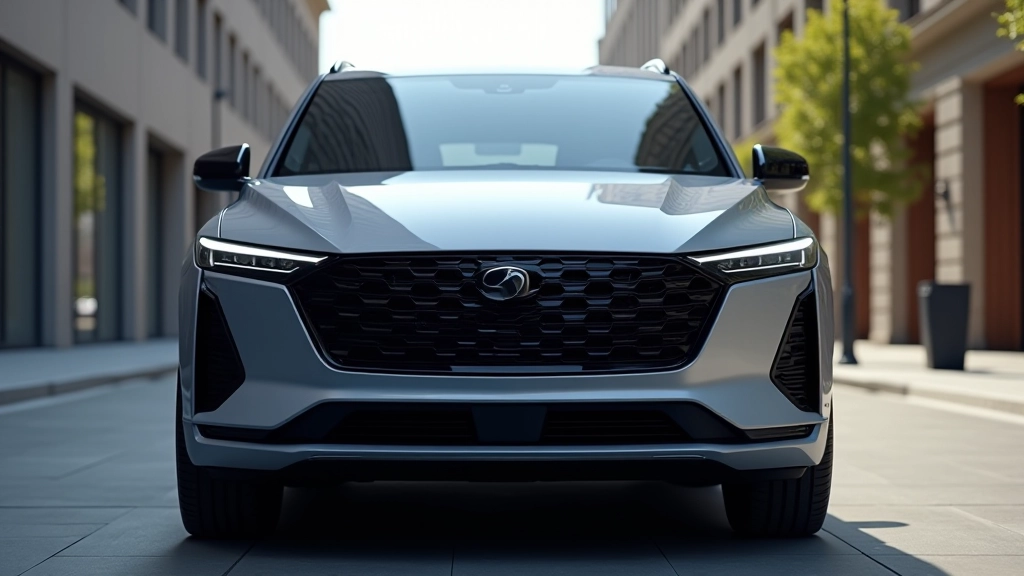
The SUV Revolution: How One Segment Reshaped the Market
From truck-based utility to design-focused lifestyle vehicles. We trace how SUVs changed everything about what we drive.
Read Article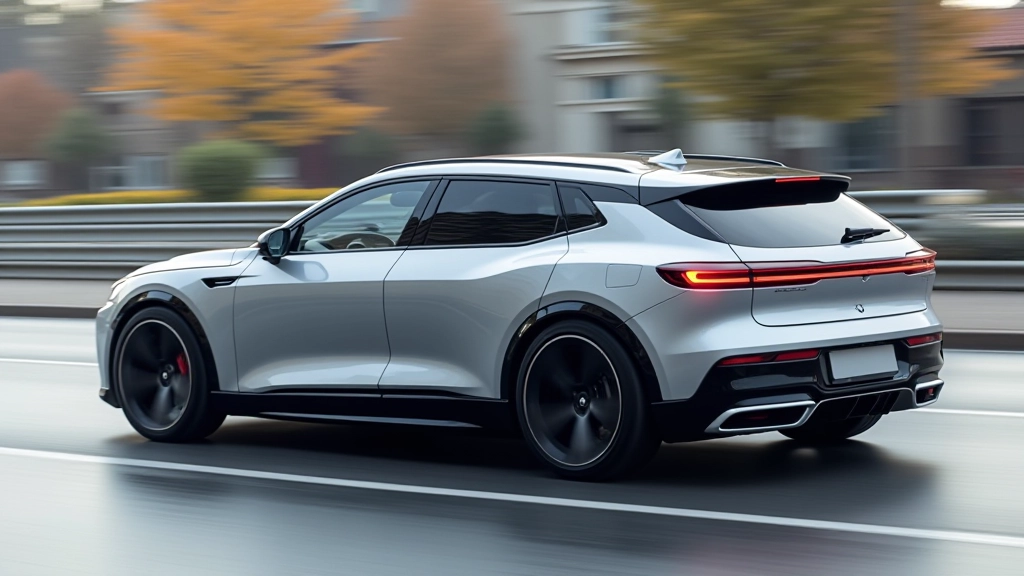
A Legacy That Still Shapes Today
You might not realize it, but you're still living with 1970s design philosophy. Modern cars are boxy. Look at any contemporary sedan or SUV — straight lines, minimal trim, honest proportions. That's not coincidence. That's the 1970s winning the argument.
The shift from ornamentation to functionality was permanent. Yes, we've added curves back in places, refined proportions, integrated technology seamlessly. But the core principle remains: form follows function. Interior space matters more than hood length. Efficiency is a feature, not a compromise.
Even luxury cars today embrace this. A Mercedes-Benz isn't covered in chrome trim anymore. A BMW's grille is functional, not decorative. That's the 1970s' greatest legacy — it made us all honest about what cars actually are. Machines designed to move people efficiently from one place to another. Sometimes the most revolutionary design is just getting real.
The Decade That Changed Everything
The 1970s didn't just change how cars looked. They changed what cars could be. By stripping away decades of unnecessary styling flourishes and starting fresh with function, designers proved something radical: that honesty could be beautiful. That a simple, boxy sedan designed around real-world physics could be more appealing than a chrome-laden yacht on wheels.
When you see a car today with clean lines and efficient proportions, you're seeing the direct descendant of 1970s design philosophy. The oil crisis forced that evolution, safety regulations accelerated it, and Japanese manufacturers proved its viability. What started as a response to crisis became the foundation for how we design cars today.
That's not just automotive history. That's the moment function became the most important design element. And it's never stopped being that way.
About This Article
This article is educational and informational in nature, designed to help you understand the history and evolution of automotive design during the 1970s. The information presented reflects historical records and design industry documentation. Specific details about individual vehicle models, production numbers, and design decisions are based on widely documented automotive history. For specialized technical questions about specific vehicles or detailed engineering specifications, we recommend consulting dedicated automotive historians or manufacturer archives.