
Our Work
Exploring decades of North American automotive design through in-depth analysis, historical research, and visual documentation.
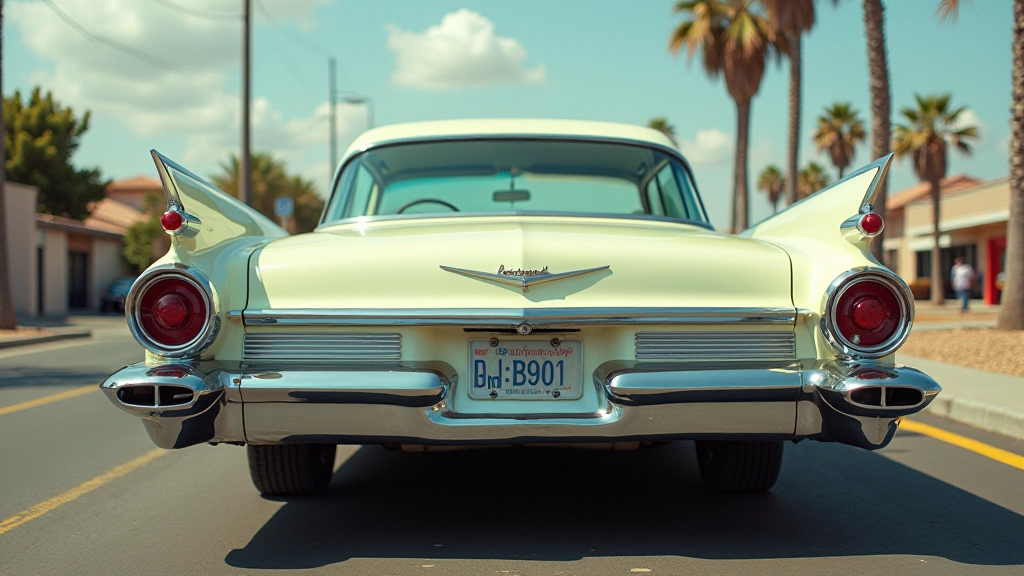
Chrome Fins Era: 1950s-1960s Design Analysis
An in-depth exploration of post-war design that shaped American optimism. We document the evolution of tail fin design, chrome trim philosophy, and the cultural influences from the space age that defined this distinctive era.
Covers aerodynamic mythology, manufacturing challenges, and profiles of key designers like Harley Earl and Bill Mitchell.
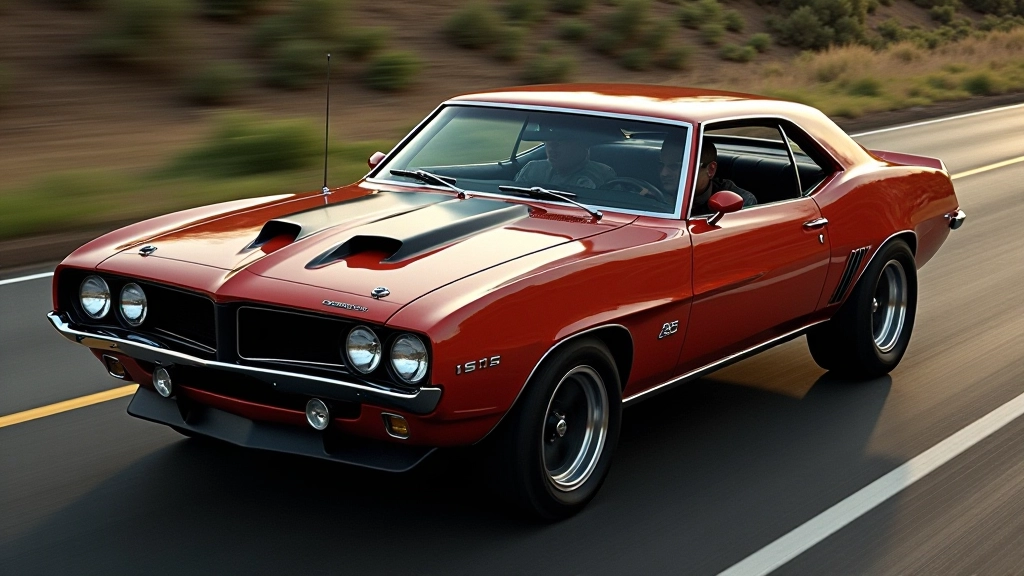
Muscle Cars and Aggressive Lines: The 1960s Movement
Discover how manufacturers merged powerful engines with bold aesthetics during America's most enthusiastic automotive decade. This research examines the economic boom, consumer culture, and engineering decisions that created an entirely new vehicle category.
Includes analysis of design language, performance specifications, and the cultural factors that made muscle cars a defining American export.
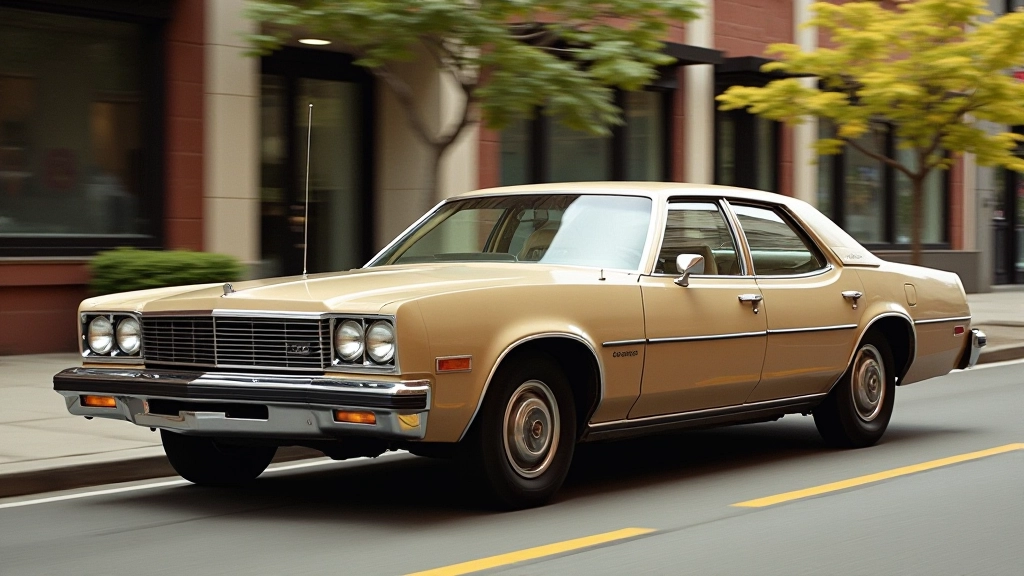
Boxy and Practical: How the 1970s Changed Everything
The 1970s marked a sharp departure from chrome excess. We explore how oil crises, safety regulations, and shifting consumer priorities transformed vehicle design into angular, efficient shapes that prioritized function over flash.
Examines regulatory impacts, safety innovations like crumple zones, and the practical design philosophy that emerged during economic uncertainty.
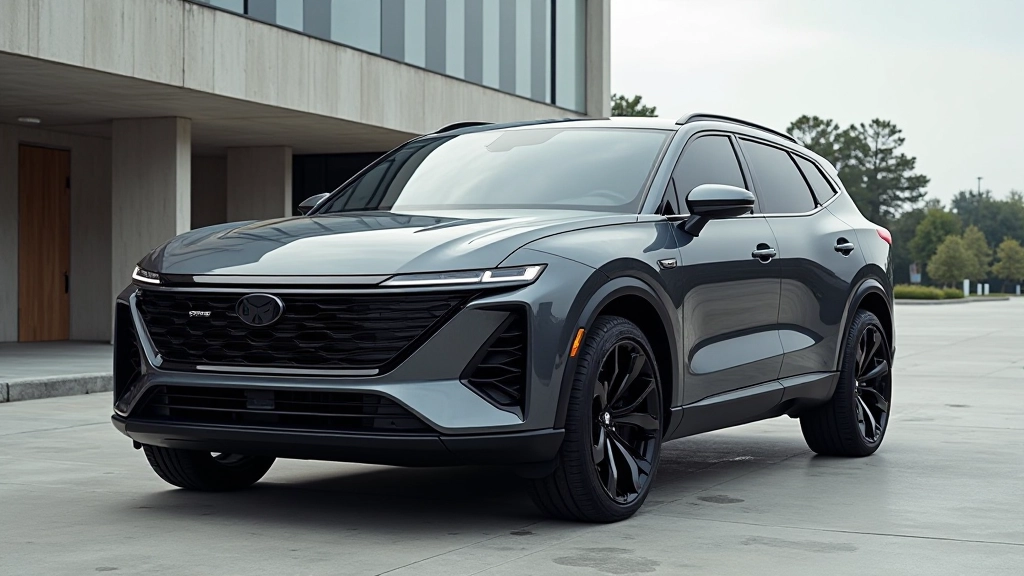
The SUV Revolution: How One Segment Reshaped the Market
From niche category to market dominance, the SUV represents the biggest shift in North American automotive design since the muscle car era. We trace how lifestyle positioning, technology integration, and changing family priorities created today's vehicle landscape.
Documents the transition from truck-based platforms to car-like handling, digital integration, and how design philosophy shifted to accommodate new consumer expectations.
Ready to explore automotive design?
Get in touch with us to discuss how we can help you understand the decades of design evolution that shaped North American vehicles.
Start the conversation